Live Football Injury Updates That Matter
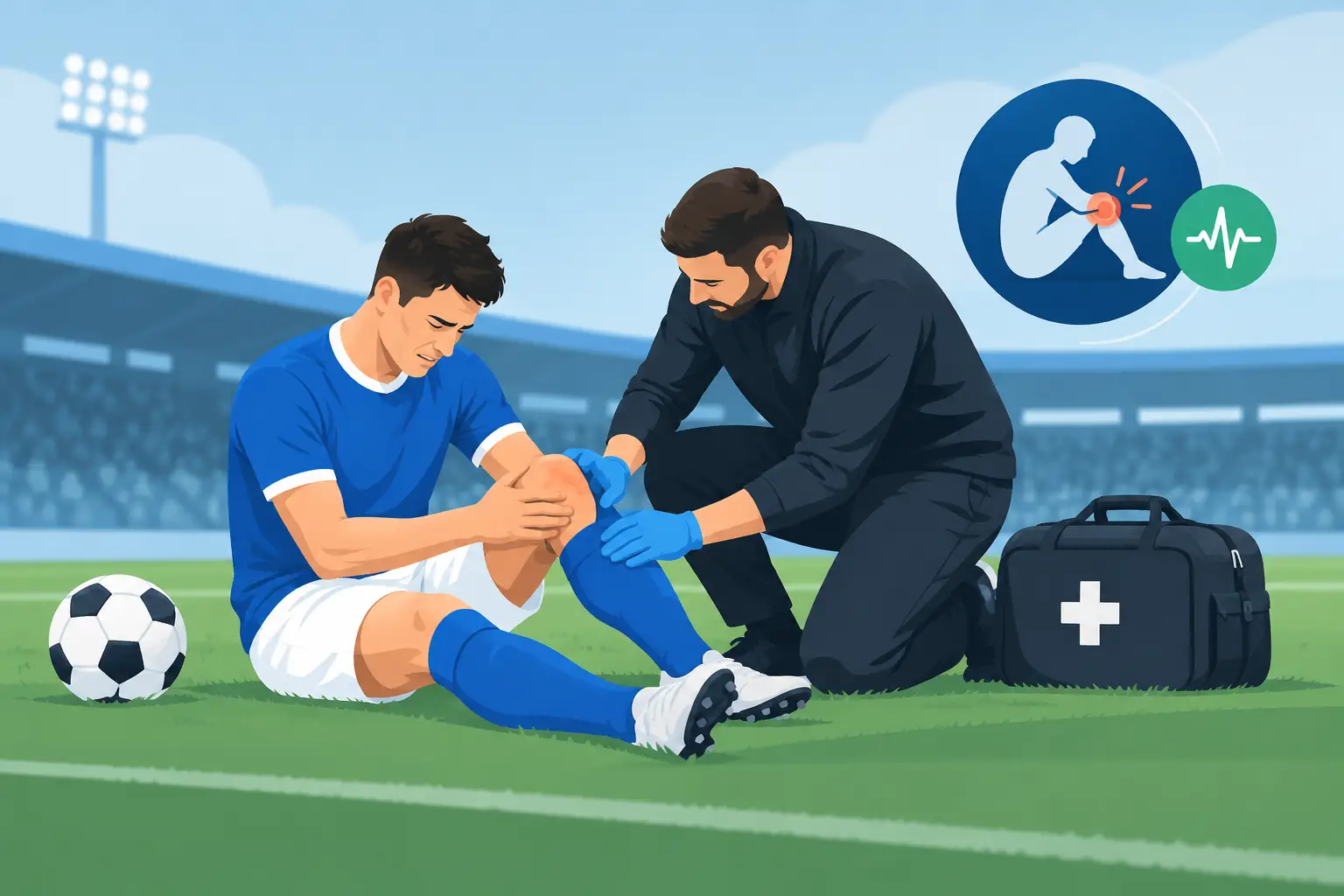
A late withdrawal can change a match before the first whistle. One centre-back failing a fitness test may force a reshuffle at the back. A striker missing the warm-up can alter a fantasy captaincy decision. For supporters, bettors and anyone tracking a favourite club, live football injury updates are matchday information, not background noise.
The useful update is not simply that a player is injured. It tells you what has happened, when it happened, how likely the player is to feature, and what the absence could mean for the team. The challenge is separating confirmed news from early reports, especially during busy weekends when line-ups, squad announcements and media updates arrive quickly.
Live football injury updates: what changes first
Football injuries affect more than one name on the team sheet. They affect selection, shape, set pieces, substitutions and the balance of a match. The impact is usually clearest when the absent player has a specialised role that the squad cannot easily replace.
A first-choice goalkeeper’s absence may change how confidently a side plays out from the back. Losing a defensive midfielder can leave a team more open in transition. If a wide forward is unavailable, a manager may switch from pace on the counter to a more possession-based approach. Even a player who is fit enough for the bench can influence the final 20 minutes.
That is why timing matters. A report published days before kick-off gives context, but a confirmed starting XI gives certainty. Between those two points, the player’s status can move from doubtful to available, or from expected to play to ruled out. A reliable live score service should make it easy to check the match status, squad information and confirmed line-ups without making you search through unrelated headlines.
Read the wording, not just the headline
Not every injury label means the same thing. “Out” is straightforward, but “doubtful”, “being assessed” and “returned to training” need more care. They describe different stages of a decision, and none should automatically be treated as a green light.
Ruled out and unavailable
When a club confirms that a player is ruled out, the immediate question is duration. A one-match absence because of illness is very different from a hamstring issue that could keep someone out for several weeks. If the expected return date is vague, treat it as uncertain rather than assuming a quick comeback.
Suspensions also belong in the wider availability picture. They are not injuries, but they can create the same selection problem. A team missing two defenders, one through injury and one through a ban, may be in a far weaker position than an injury list alone suggests.
Doubtful, late test and managed minutes
These are the updates that demand patience. A player facing a late fitness test may start, appear as a substitute or miss out entirely. Managers sometimes name a player in the squad to preserve options, particularly for major fixtures, without intending to give them 90 minutes.
Managed minutes are equally significant. A forward returning from a muscle problem may be fit, but not ready for repeated sprints or a full match. For fantasy and betting decisions, a likely 30-minute cameo is not the same as a reliable starter. For supporters, it can still be a boost, but it should not be mistaken for a complete return.
Back in training
Training footage creates excitement, but it is not a team-sheet announcement. Players can return to individual work, then partial group sessions, before being cleared for competitive action. The final step depends on medical advice, match fitness and the manager’s risk assessment.
This is where fixture congestion changes the calculation. A club with a league match, European tie and cup fixture in eight days may protect a key player even when they are close to fit. A side with a single must-win match may be more willing to take a calculated risk. It depends on the player, the injury history and the stakes.
Where the strongest matchday signals come from
The closer kick-off gets, the clearer the picture should become. Club announcements, official competition channels and confirmed team sheets carry more weight than speculative posts. Pre-match press conferences are useful, but managers may speak cautiously or avoid revealing plans to opponents.
The warm-up can also provide a final clue. If a named starter does not take part or leaves early, a late change is possible. These moments matter most in matches where deadlines are involved, such as fantasy lock times or pre-match bets. They are also a reminder that no forecast is stronger than the official line-up.
A fast match centre puts this information in the right order: injury and squad context before the match, confirmed XI at release time, then live events once play begins. FunkyScore is built around that matchday flow, so fans can move from fixtures and tables to line-ups, incidents and live statistics without losing sight of the score.
How to use injury updates without overreacting
The temptation is to see one absent star and immediately write off their team. Football is rarely that simple. Strong squads can absorb an absence, while some replacements suit a specific opponent better. A full-back who offers more defensive discipline, for example, may be selected deliberately against an elite winger.
Start by looking at who is missing, then ask who takes their place. Is it a natural replacement, a youngster, or a player being moved out of position? Next, consider the rest of the team. An absent striker matters less if the side has several sources of goals; it matters more if everything runs through one focal point.
Home and away form, travel, rest days and the opponent’s strengths all add context. A depleted midfield may cope against a lower-block side but struggle against aggressive pressing. Likewise, an injury-hit team can still produce a strong performance if its tactical plan is clear and the replacements know their roles.
For fantasy players, avoid chasing every rumour. Use injury news to narrow choices, then wait for the most reliable information available. A player listed as doubtful may still be worth holding if the next fixture is several days away. On the other hand, a confirmed extended absence should trigger a practical replacement plan rather than hope.
For bettors, injuries are one input, not a shortcut to certainty. Odds may already reflect major absences, and public reaction can sometimes exaggerate a headline. Check the likely XI, the bench options and whether the missing player has actually been starting regularly. A famous name on the injury list is not always the biggest tactical loss.
Match incidents need context too
Live injury updates do not end at kick-off. A player receiving treatment, leaving the pitch or returning after a knock can alter the tempo immediately. Yet an on-pitch incident is not a diagnosis. Players sometimes continue after a painful challenge, while others are withdrawn as a precaution before the full extent is known.
Watch what follows. Was there a tactical substitution? Did the player go straight down the tunnel? Has the formation changed? Live commentary and event timelines can show the immediate consequence, while post-match comments often provide the first meaningful indication of severity.
Do not confuse a temporary stoppage with a confirmed injury, either. Cramp, a blow to the face and a boot change can all look dramatic in a live feed. The smart approach is to record the event, monitor the substitution decision, and wait for a trusted update before making a firm call.
Keep your matchday view clear
The best way to follow availability is to focus on the matches and teams that matter to you. Check the fixture early, review the latest squad news, return for confirmed line-ups, then follow the live timeline for substitutions and incidents. That simple rhythm cuts through noise without missing the moments that can reshape a game.
Injury news will always carry uncertainty, because fitness decisions are made close to the action and conditions can change quickly. Keep one eye on the score, one on the team sheet, and let confirmed information lead the way when the game is about to start.